About me
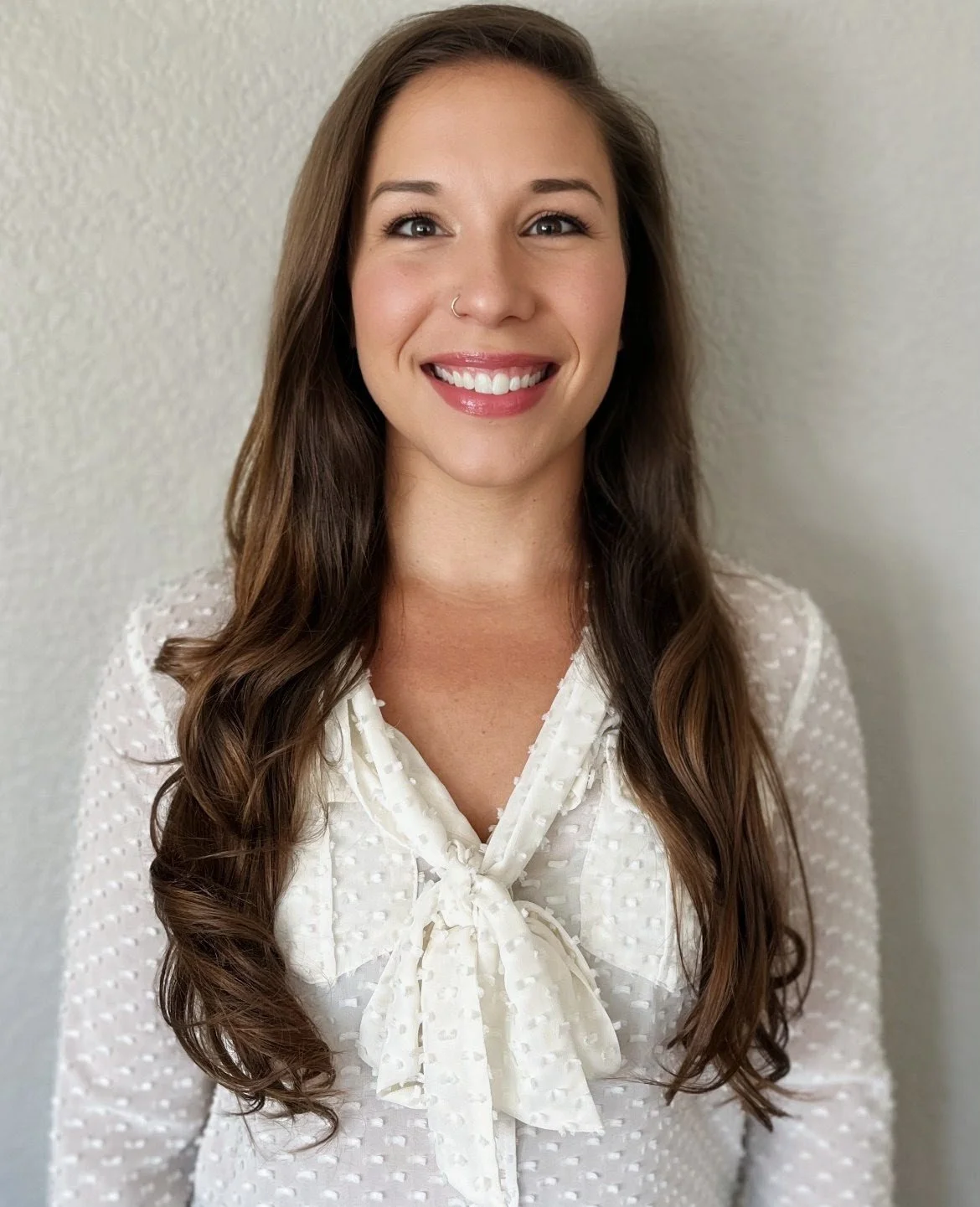
I'm Jessica Maura, PhD a licensed clinical psychologist. I work with adults navigating a range of concerns, including depression, anxiety, and trauma, and I bring particular expertise to supporting people experiencing unusual thoughts and perceptions. If you're not sure whether that describes you, that's alright. A lot of my clients come in unsure what to call what they're going through, and figuring that out together is part of the work. My job isn't to start with a label. It's to help you understand what's happening and build a life that feels like yours again.
In session, you can expect me to be warm, honest, and collaborative. I won't dance around hard topics or answer your questions with vague reassurance. I'll also meet you where you are, whether that's someone newly experiencing symptoms and trying to make sense of it, a person who's lived with a diagnosis for years and wants a different kind of support, or someone dealing with anxiety, depression, or life stress that has nothing to do with psychosis at all. My training runs deep in psychosis specifically, but good therapy is good therapy, and I welcome clients working through all kinds of challenges.
If you're wondering whether to reach out, you're not alone in that. You don't need a tidy explanation of what's going on to start. You just need to be curious about whether things could feel different. I'd be glad to talk with you about it.
How I got here
My path here started in graduate school, where I spent years researching how culture, family, and stigma shape the course of serious mental illness, and why so many people drop out of treatment before it has a chance to help. That research pushed me toward direct clinical work. I completed my postdoctoral training at the University of Washington's Harborview Medical Center, where I delivered and taught cognitive behavioral therapy for psychosis, a structured, evidence-based approach that helps people make sense of difficult thoughts and experiences, reduce the distress that often comes with them, and get back to living the life they want. I also helped build and run a service that provided early, comprehensive evaluations for young people showing first signs of psychosis, work rooted in a simple idea: the earlier someone gets accurate information and real support, the better their outcomes tend to be.
Since then I've worked across settings, from academic medical centers to long-term psychiatric care, training and supervising other clinicians along the way. What's stayed consistent is my approach. I don't believe recovery means never having challenging symptoms or experiences. I believe it means living the life you want to live, even when those experiences are still part of it. Unusual thoughts and perceptions exist on a spectrum that all of us fall somewhere on, not as a separate category that some people have and others don't, and I bring that understanding into every part of how I work.
My clinical focus is psychosis and psychosis-spectrum experiences. I've built my career around this work, through research, specialized clinical training, and leading assessment and treatment services for people in the early stages of these experiences. If you're hearing things others don't, feeling suspicious or on edge in ways you can't explain, or noticing your thoughts have taken on an unusual intensity, this is exactly the kind of work I do.
I also work with adults managing anxiety, depression, trauma, and the kind of life stress that comes with major transitions, family strain, or just feeling stuck. You don't need a connection to psychosis to be a good fit for therapy with me.
I offer both individual and family therapy. Many people navigating psychosis find that involving family makes a real difference, when that feels right for them. I'm glad to work with loved ones alongside individual sessions, or instead of them, depending on what's needed.
Right now I see clients ages 15 and up, virtually, across Colorado and Washington. I'm currently in-network with several insurance plans (see FAQ section for details). For those paying out of pocket or using out-of-network benefits, my self-pay rate is $200.
If you're not sure whether what you're going through fits what I described here, that uncertainty alone is a reasonable reason to reach out. Contact me, and we can figure it out together.
Who I work with
Before moving into full time clinical practice, I spent years conducting research on psychosis, culturally responsive care, and family-based treatment. That work shapes how I practice today: everything I offer is grounded in approaches that have been tested, published, and refined, not just trends I picked up along the way.
My research focused on making psychosis treatment more accessible and effective for people who are often underserved by the mental health system. I studied culturally adapted therapy for schizophrenia, contributed to the development of a tele-evaluation service for early identification of psychosis in Washington State, and helped evaluate cognitive behavioral therapy for psychosis (CBTp) as a stepped-care model, work that examined not just whether these approaches work, but whether real clients and clinicians find them acceptable and usable.
A parallel thread of my work looked at how race, ethnicity, and culture shape both diagnosis and treatment engagement in serious mental illness, including why people drop out of care and what changes that. I also studied family involvement extensively, including a period of research on caregiver burden and mental health in families caring for a loved one with dementia, which deepened my understanding of what families go through when supporting someone with a serious illness of any kind.
Research
-
Weisman de Mamani, A., Altamirano, O., Lopez, D., Marie McLaughlin, M., Maura, J., Martinez de Andino, A., Ahmad, S., Hafner, L., & Lund, S. (2023). Culturally Informed Therapy: An Intervention that Addresses the Psychological Needs of Religious Individuals of Diverse Identities. Handbook of Spiritually Integrated Psychotherapies. American Psychological Association.
Maura, J., Ahmad, S. S., & Weisman de Mamani, A. (2022). The impact of familial involvement on dropout in a culturally informed group therapy for people diagnosed with ‘schizophrenia’. Psychosis, 1-13.
Kopelovich, S. L., Maura, J., Blank, J., & Lockwood, G. (2022). Sequential mixed method evaluation of the acceptability, feasibility, and appropriateness of cognitive behavioral therapy for psychosis stepped care. BMC Health Services Research, 22(1), 1-13.
Ramirez Garcia, J., Maura, J., & Kopelovich, S. (2020, April 15). Culturally and Linguistically Responsive Care for Early Psychosis. Practice Brief published by the Northwest Mental Health Technology Transfer Center Network.
Maura, J., & Kopelovich, S. (2020, January 6). Cultural considerations in applying cognitive behavioral therapy to racial/ethnic minority groups with serious mental illness. Practice Brief published by the Northwest Mental Health Technology Transfer Center Network.
Kopelovich, S., Maura, J., Chwastiak, L., Towle, C., & Monroe-DeVita, M. (2021). Central Assessment of Psychosis Service: A Tele-evaluation Service to Support Early Identification of Psychosis. Psychiatric Services, appi-ps.
Weisman de Mamani, A., Weintraub, M.J., Maura, J., Martinez de Andino, A., & Brown, C. (2018). Stigma, expressed emotion, and quality of life in caregivers of individuals with dementia. Family Process, 57(3), 694-706.
Gurak, K., Maura, J., Weisman de Mamani, A., Martinez de Andino, A., & Rosenfarb, I. (2018). Racial and cross-cultural diagnostic patterns in schizophrenia spectrum disorders. Cultural Competence in Applied Psychology: Theory, Science, Practice, and Evaluation. 10.1007/978-3-319-78997-2_24.
Weisman de Mamani, A., Weintraub, M. J., Maura, J., Martinez de Andino, A., & Brown, C. A. (2018). The interplay among mindfulness, caregiver burden, and mental health in family members of individuals with dementia. Professional Psychology: Research and Practice, 49(2), 116-123.
Maura, J., & Weisman de Mamani, A. (2017). Mental health disparities, treatment engagement, and attrition among racial/ethnic minorities with severe mental illness: A review. Journal of Clinical Psychology in Medical Settings. doi:10.1007/s10880-017-9510-2
Maura, J., & Weisman de Mamani, A. (2017). The feasibility of a culturally informed group therapy for patients with schizophrenia and their family members. Psychotherapy. doi: 10.1037/pst0000109
Maura, J., & Weisman de Mamani, A. (2017). Culturally adapted psychosocial interventions for schizophrenia: A review. Cognitive And Behavioral Practice, doi:10.1016/j.cbpra.2017.01.004
Weisman de Mamani, A., Weintraub, M.J., Gurak, K., Maura, J., Martinez de Andino, A., & Brown, C. (2017) Free will perceptions, religious coping, and other mental health outcomes in caregivers of individuals with dementia, Journal of Religion, Spirituality & Aging, 29:4, 226-247, DOI: 10.1080/15528030.2016.1193096
Weisman de Mamani, A., Gurak, K., Weintraub, M., Maura, J., & Martinez de Andino, A. (2017). Acculturation styles and their associations with psychiatric symptoms and quality of life in ethnic minorities with schizophrenia. Psychiatry Research, 255, 418-423. doi:10.1016/j.psychres.2017.06.074
Weisman de Mamani, A., Weintraub, M., Gurak, K., Maura, J., Martinez de Andino, A., & Brown, C. (2016). Free will perceptions, religious coping, and other mental health outcomes in caregivers of individuals with dementia. Journal of Religion, Spirituality, and Aging, 26(2-3), 201-214. doi:10.1080/15528030.2013.829017
Weisman de Mamani, A., Gurak, K., Maura, J., Martinez de Andino, A., Weintraub, M., Mejia, M., & Gonzalez, E. (2016). Free will perceptions and psychiatric symptoms in patients diagnosed with schizophrenia. Journal of Psychiatric and Mental Health Nursing. doi:10.1111/jpm.12293
Weisman de Mamani, A., Weintraub, M.J., Tauler, C., Gurak, K., & Maura, J. (2014). A randomized clinical trial to test the efficacy of a family-focused, culturally-informed therapy for schizophrenia. Journal of Family Psychology, 28(6), 800-810. doi:10.1037/fam0000021
Weisman de Mamani, A.G., Weintraub, M.J., Tauler, C., Maura, J., Mejia, M., Gurak, K., Sapp, S. (2014). Religion and free will perceptions as coping mechanisms in caregivers of individuals with dementia. Journal of Religion, Spirituality, and Aging, 26(2-3), 201-214. doi:10.1080/15528030.2013.829017